Vitis Vinifera: The Grape Behind (Almost) Every Wine
The story of Vitis vinifera — the single grape species behind nearly every wine you've ever tasted, from its Transcaucasus origins to today's classics.
It all begins in the dirt—or more precisely, in the dusty slopes of the Transcaucasus, where humankind first looked at the plump, sweet orbs of Vitis vinifera and thought: this could be more. That ancient decision, made over 8,000 years ago, set us on a path that would eventually deliver Barolo, Burgundy, and Napa Cabernet into our glasses.
🍇 A Single Species, Infinite Expression
In an age of synthetic clones and AI winemakers (yes, irony noted), the fact that nearly every fine wine on earth still comes from a single grape species is astounding. Vitis vinifera, with its self-pollinating flowers and genetic adaptability, was the plant chosen by history. Whether you're sipping a zingy Marlborough Sauvignon Blanc or a muscular Rioja, you are—botanically speaking—tasting the same vine.
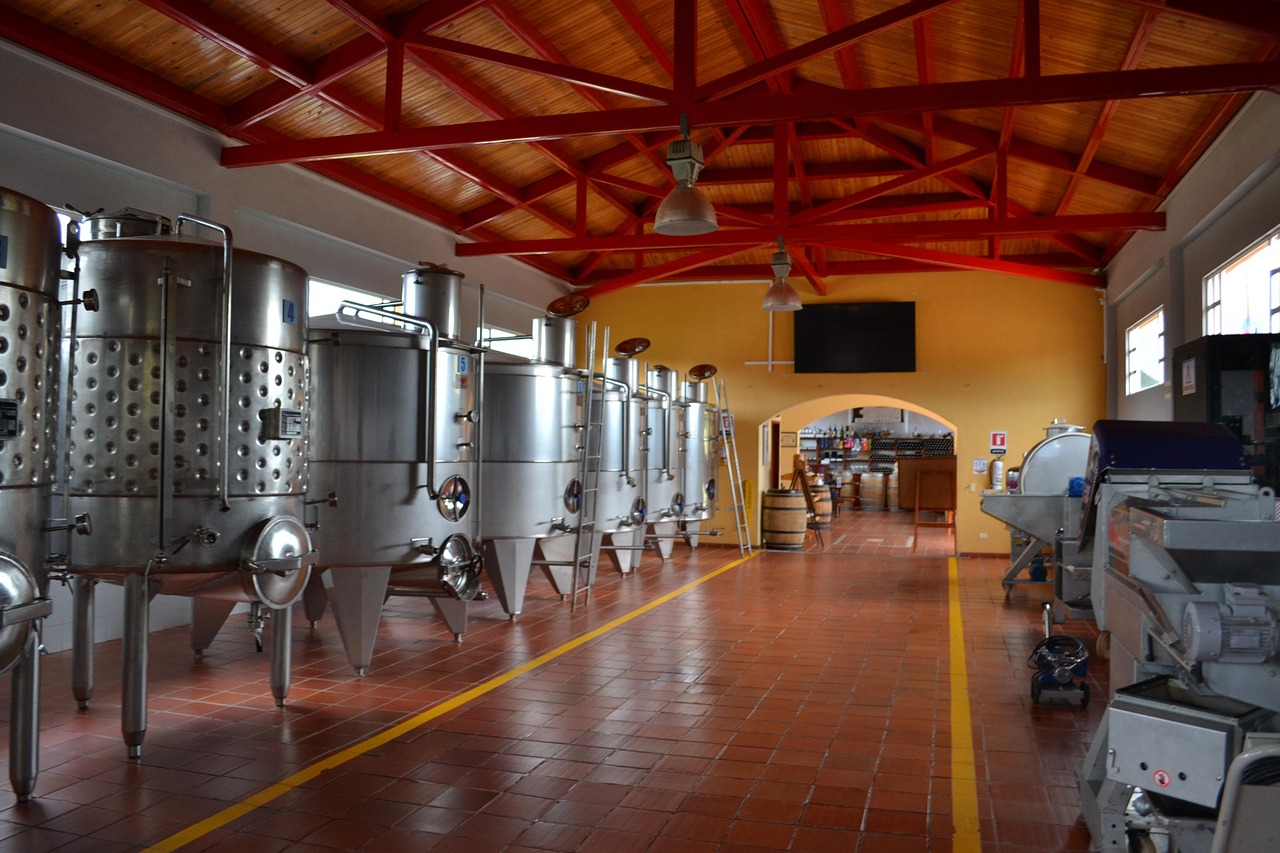
But what makes that vine sing? It's not just the grape, but the stage on which it performs.
🌍 The Latitude of Greatness
All serious wine regions—whether Bordeaux or Barossa—lie between 30° and 50° latitude. This band strikes the balance: long summer days to ripen, but not so hot as to cook. Yet even within that range, climate and site exert poetic control over the outcome.
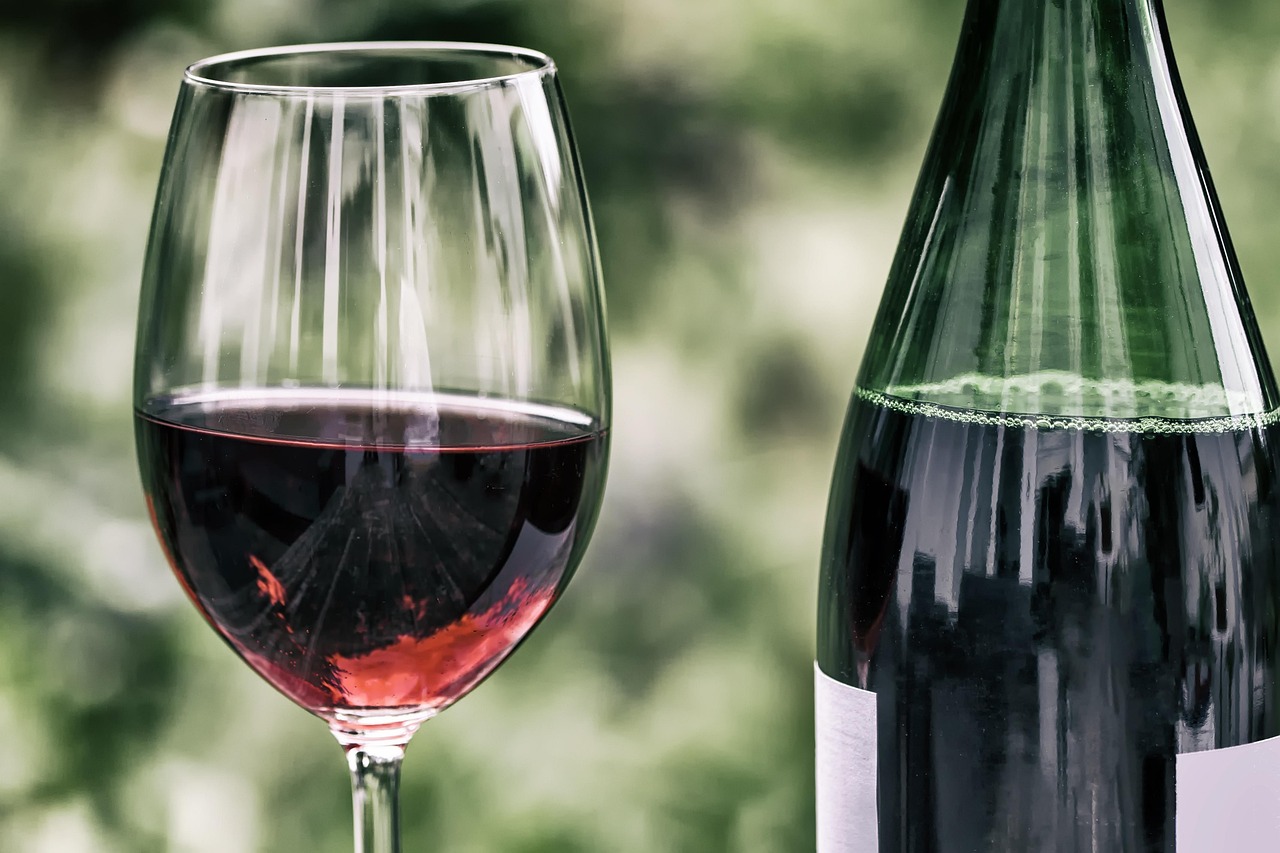
In Mediterranean regions like Provence or McLaren Vale, dry warmth yields plush fruit and supple tannins.
Continental climates—like Burgundy—give wines of tense acidity and aromatic restraint, thanks to dramatic temperature swings.
Maritime zones such as Bordeaux are always on the edge, producing wines whose greatness often hinges on the vintage's rainfall whims.
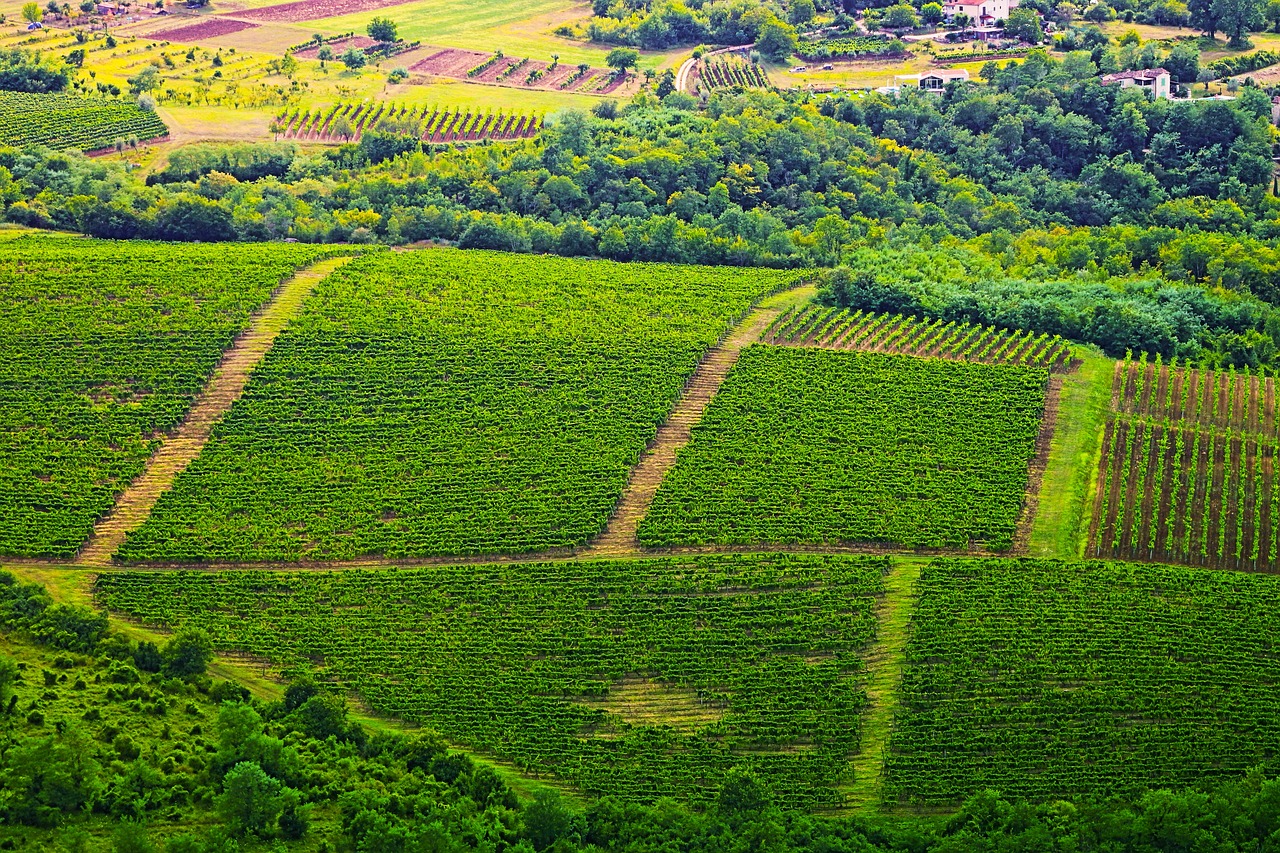
🍷 Terroir: Sacred Truth or Romantic Bluff?
What exactly is terroir? Ask a winemaker in Burgundy and you'll hear it whispered like scripture—a divine fingerprint of place, composed of soil, slope, climate, aspect, and tradition. It's not just where the grapes grow, but how the vineyard breathes: the chill of a morning fog, the drainage of gravel, the whisper of wind against limestone.
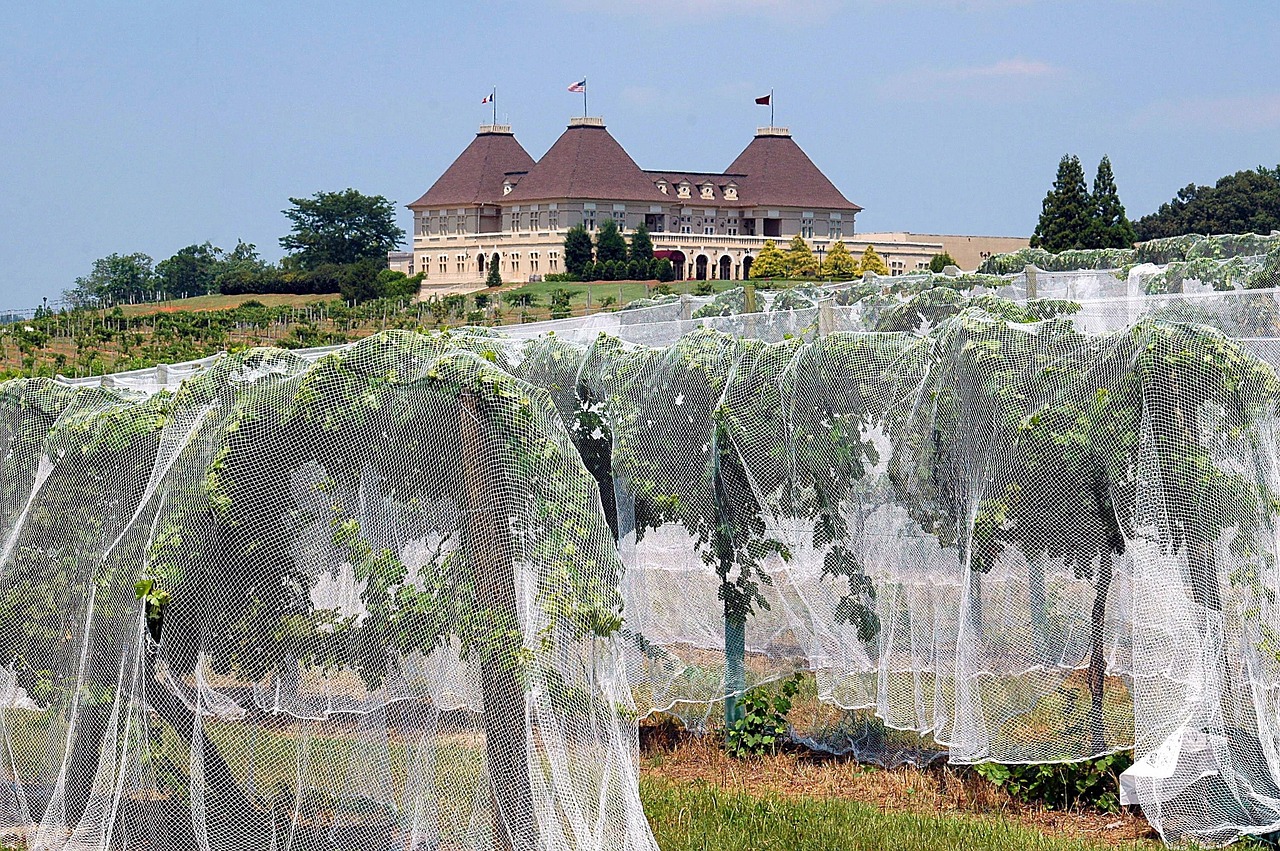
In the Old World, terroir is everything. It's how they explain why a vineyard 100 meters uphill makes Grand Cru, while one below is merely Village. It's not just soil science—it's identity, history, and a sort of agricultural mysticism.
But cross an ocean, and the story shifts.
In the New World, especially places like California, Australia, or South Africa, winemakers have started to call the bluff. They've planted the same vines in varied regions and produced wines that often rival—if not outperform—their Old World counterparts. If a Napa Cabernet can stand shoulder-to-shoulder with Pauillac, then what is terroir really? Is it science or storytelling?
This debate has cracked open a deeper inquiry: maybe terroir isn't just about rocks and rain. Some researchers suggest it may hinge on something less visible—microbial terroir. Studies point to native yeast populations in local soils and air as silent but influential winemaking partners. These yeasts kickstart spontaneous fermentation, potentially imprinting a unique microbial signature on the wine. If true, terroir may be less about chalk and more about invisible ecosystems.
In this light, terroir remains real, but not always as the Old World defines it. It's less holy scripture, more complex equation—a synthesis of environment, intention, and interaction. And in a globalized world where grapes grow everywhere, the question may not be does terroir exist, but rather how do we redefine it?
🧪 Decoding Wine: The FEW Method & the Grid
In the glass, the wine critic becomes a detective. The NWS Deductive Tasting Grid and the FEW method—Fruit, Earth, Wood—are not just mnemonics. They are lenses through which structure and story reveal themselves.
Fruit tells us ripeness and climate—are we in the realm of tart cranberry or lush black plum?
Earth reveals Old World bones—think wet leaves, truffle, or limestone dust.
Wood indicates winemaking intent—oak, toast, vanilla, or the absence thereof.
Layer in acid, tannin, body, alcohol, and finish—and suddenly you're not just sipping wine, you're reading it.
🚀 The Future: Tradition vs. Science
Here's where it gets interesting. We stand at a fork in wine's evolution. On one path: biodynamic zealots burying cow horns under the full moon, natural wine purists eschewing sulfites, and terroir fundamentalists mapping vineyards down to the square meter. On the other: precision fermentation labs, lab-grown wines without grapes, and AI sommeliers who can predict your palate better than you can.
Both camps miss the point. Wine isn't binary. It's the intersection of art and agriculture, tradition and innovation, terroir and technique. The future belongs to winemakers who can honor the vine's 8,000-year history while embracing what science reveals. Because ultimately, whether your wine comes from a Grand Cru vineyard or a lab in Silicon Valley, the question remains the same:
Does it sing?
Sources
1. McGovern PE et al. — "Early Neolithic wine of Georgia in the South Caucasus" — PNAS, 2017. Chemical residues from Shulaveris Gora and Gadachrili Gora pottery push winemaking back ~8,000 years.
2. Wikipedia — "Vitis vinifera". Botanical overview, self-pollinating flowers, and the species' role as parent of nearly all modern wine grapes.
3. Robinson J, Harding J, Vouillamoz J — Wine Grapes: A Complete Guide to 1,368 Vine Varieties (Allen Lane / Ecco, 2012). Definitive catalogue of V. vinifera cultivar diversity.
4. Jones GV — "Climate, Grapes, and Wine: Structure and Suitability in a Changing Climate" — Acta Horticulturae, 2012. The 30°–50° latitude band and growing-season temperature thresholds for commercial viticulture.
5. Wikipedia — "List of wine-producing regions". Geographic distribution of major wine regions across both hemispheres.
6. Bokulich NA et al. — "Microbial biogeography of wine grapes is conditioned by cultivar, vintage, and climate" — PNAS, 2014. Evidence that grape-must microbiomes form region-specific signatures.
7. Knight S et al. — "Regional microbial signatures positively correlate with differential wine phenotypes" — Scientific Reports, 2015. Native Saccharomyces cerevisiae populations measurably influence wine character.
8. Court of Master Sommeliers — "Deductive Tasting Method". The structured tasting grid behind the FEW (Fruit / Earth / Wood) shorthand.
Sources verified May 2026.